

Forgetting a name, misplacing your keys or occasionally missing an appointment can happen to anyone—especially during periods of stress, tiredness or ageing. However, memory problems that repeatedly interfere with everyday activities may require medical attention.
Normal Forgetfulness or Something More Serious?
Normal age-related forgetfulness may include taking longer to remember a name, occasionally losing an item or forgetting an appointment but remembering it later. These changes are usually mild and do not prevent a person from living independently.
Dementia causes a progressive decline in memory, thinking, communication and decision-making abilities. Unlike occasional forgetfulness, dementia can make familiar daily activities increasingly difficult.
Early Warning Signs of Dementia
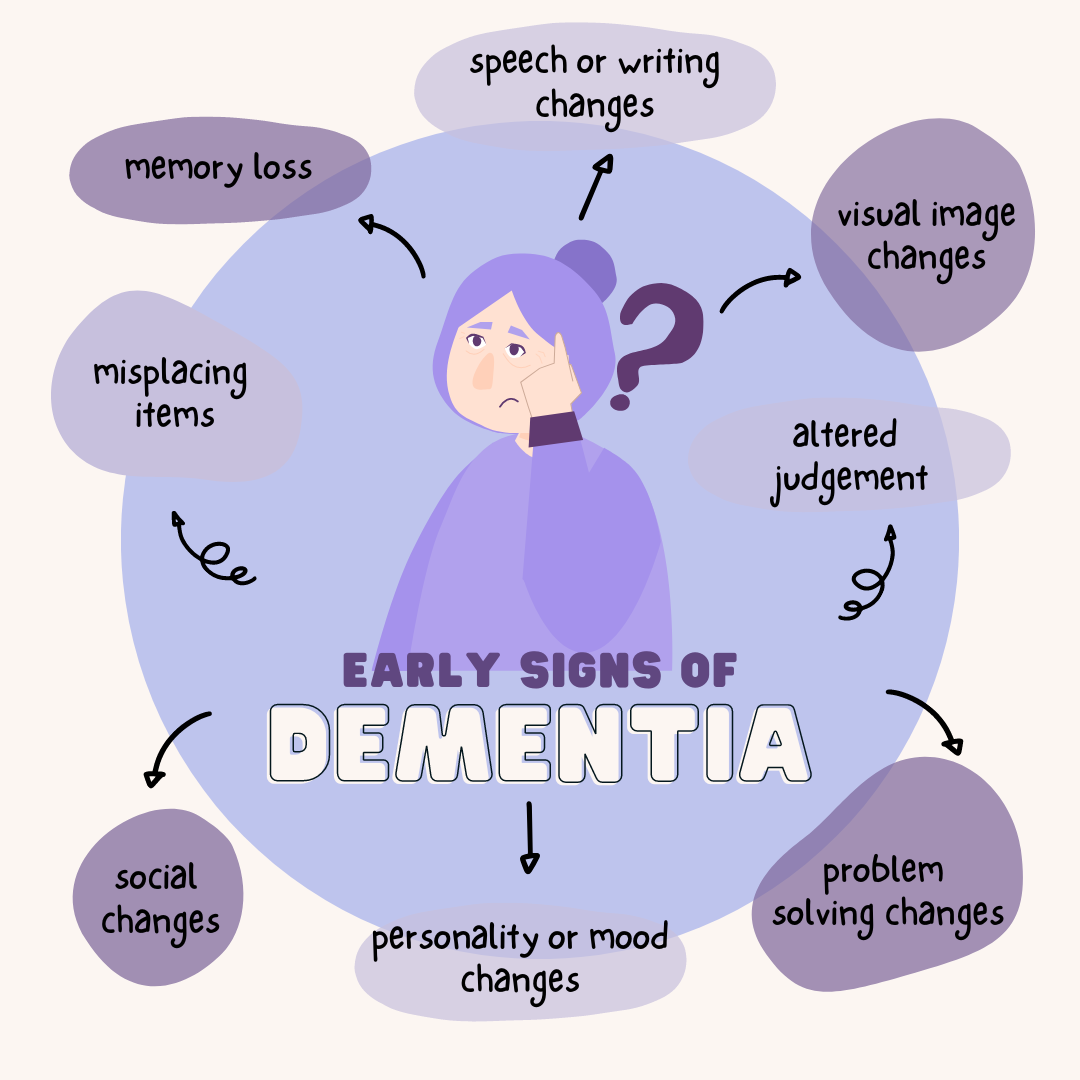
Possible signs include:
- Repeatedly asking the same questions
- Forgetting recently learned information
- Getting lost in familiar places
- Difficulty managing money or paying bills
- Trouble finding common words
- Poor judgment or unusual decisions
- Taking longer to complete familiar tasks
- Noticeable changes in mood or personality
One symptom alone does not necessarily indicate dementia. However, persistent or worsening changes should be discussed with a healthcare professional.
What Is Alzheimer’s Disease?
Alzheimer’s disease is the most common cause of dementia. It gradually affects memory, reasoning and other thinking abilities. Memory problems are often among the earliest symptoms, although some people may first experience difficulty finding words, understanding visual information or making decisions.
Dementia is a general term for a group of symptoms, while Alzheimer’s is a specific disease that can cause those symptoms.
Why Early Evaluation Matters
Memory problems can sometimes be linked to treatable causes, including medication side effects, sleep problems, depression, vitamin deficiencies or other medical conditions. During an evaluation, a doctor may review medical history and medications, assess daily functioning, perform memory and thinking tests, and order laboratory tests or brain imaging when necessary.
Early assessment can help identify the cause, begin appropriate treatment and allow patients and families to plan future care.
When Should You Consult a Doctor?
Speak with a doctor or neurologist when memory problems are becoming more frequent, worsening over time or interfering with work, safety, communication or everyday independence.
Sudden confusion or sudden memory loss should be treated as an emergency, particularly when accompanied by weakness, facial drooping, speech difficulty, severe headache or loss of balance.
This article is for educational purposes and is not a substitute for professional medical advice, diagnosis or treatment.