Edit Template
Edit Template

Neurological Disorders

Home - Category

  • All Post
  • Diagnostic Tests & Procedures
  • Headache & Migraine Management
  • Neurological Disorders
  • Neurology
  • Patient Education & FAQs
  • Treatment Options
Loud Snoring: Could It Be a Sign of Sleep Apnea?

November 11, 2026/

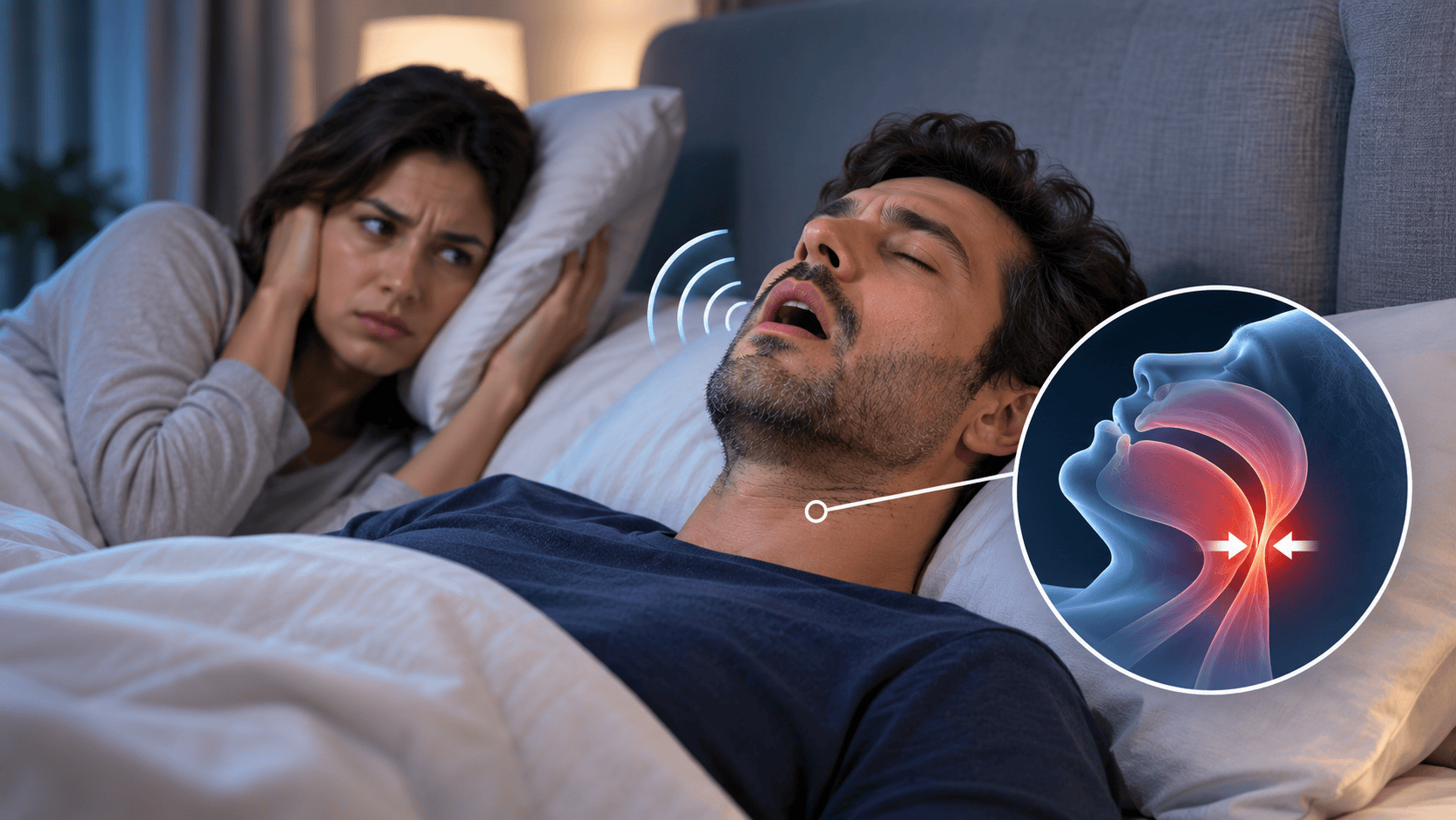
Think snoring is always harmless? In many people, occasional snoring is simply an annoyance. But frequent, loud snoring—especially when accompanied by pauses in breathing, choking, or gasping—can be a warning sign of obstructive sleep apnea (OSA). Sleep apnea repeatedly interrupts breathing during sleep and can prevent you from getting the...


Double Vision: When Could It Be a Neurological Problem?

November 3, 2026/

Seeing two images instead of one can be confusing and sometimes frightening. Double vision, also called diplopia, can come from problems within the eyes, but it may also involve the nerves, muscles, brainstem, or other parts of the nervous system. New or unexplained double vision should not be ignored, especially...

Ataxia: What Causes Problems With Coordination and Walking?

October 30, 2026/

Feeling unusually unsteady, frequently stumbling, or having difficulty coordinating your hands and legs may sometimes be related to ataxia. Ataxia is not one specific disease. It describes problems with coordination that can affect walking, balance, hand movements, speech, swallowing, and even eye movements. It can develop gradually or appear suddenly...

Myasthenia Gravis: Why Muscle Weakness Can Get Worse With Activity

October 26, 2026/

Muscle weakness that becomes worse as the day goes on or after repeated activity may sometimes be more than ordinary fatigue. One neurological condition that can cause this pattern is myasthenia gravis, a disorder that affects communication between nerves and muscles. Quick Answer: What Is Myasthenia Gravis? Myasthenia gravis is...

Neurological Symptoms You Shouldn’t Ignore: When to Seek Medical Care

October 22, 2026/

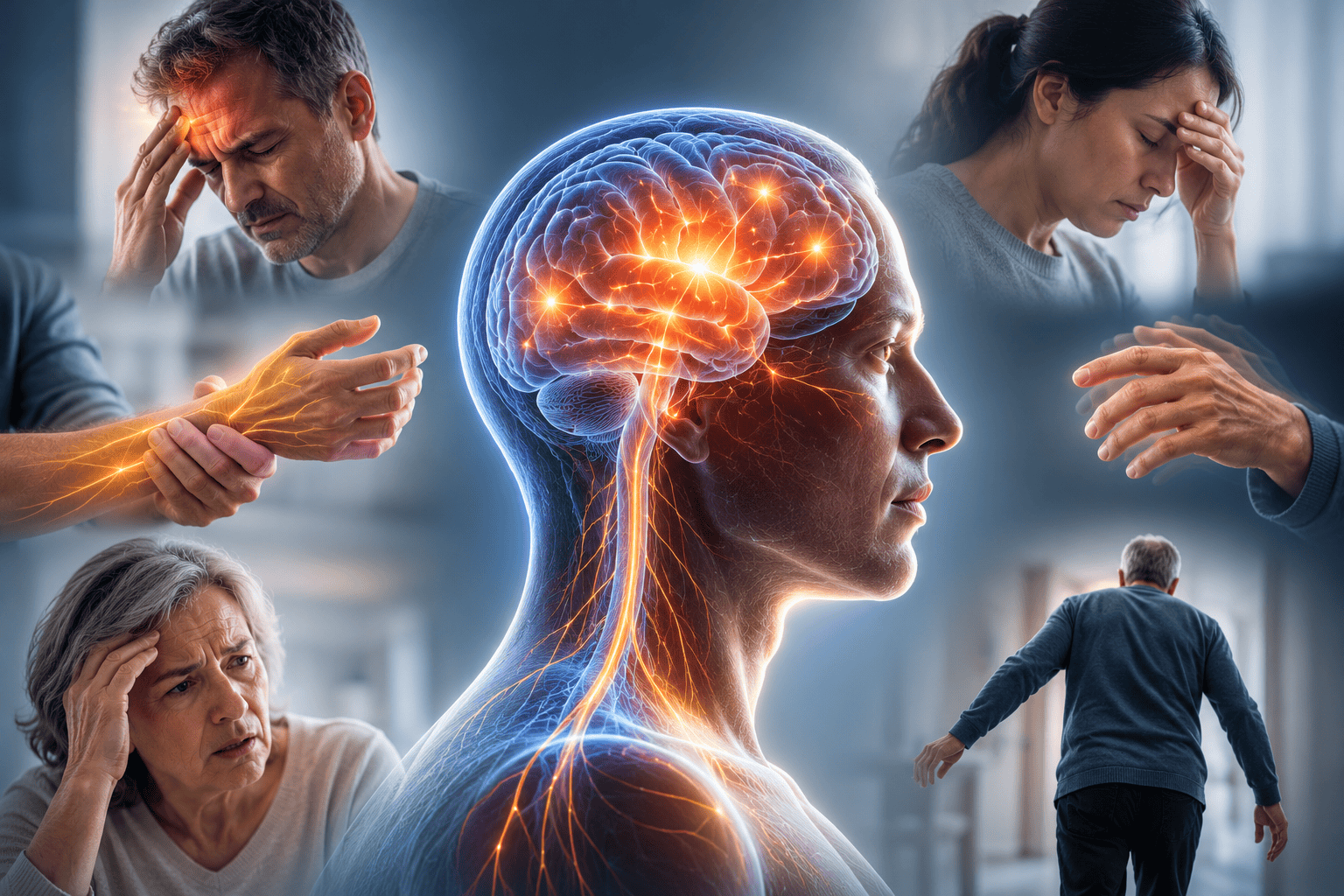
The brain and nervous system control movement, sensation, balance, memory, speech, vision, and many other functions. When something is not working normally, the body may provide warning signs—but those symptoms are not always obvious. Recurring headaches, unexplained numbness, tremors, balance problems, or changes in memory may sometimes indicate that a...

Peripheral Nerve Entrapment: Common Symptoms and Treatment Options

September 29, 2026/

Peripheral nerve entrapment occurs when a nerve outside the brain and spinal cord becomes compressed or irritated. This can cause numbness, tingling, burning pain, weakness, or difficulty using the affected hand, arm, leg, or foot. Some cases improve with simple changes, while persistent or worsening symptoms may need neurological evaluation....

What Is an EEG and What Can It Tell Us About the Brain?

September 28, 2026/

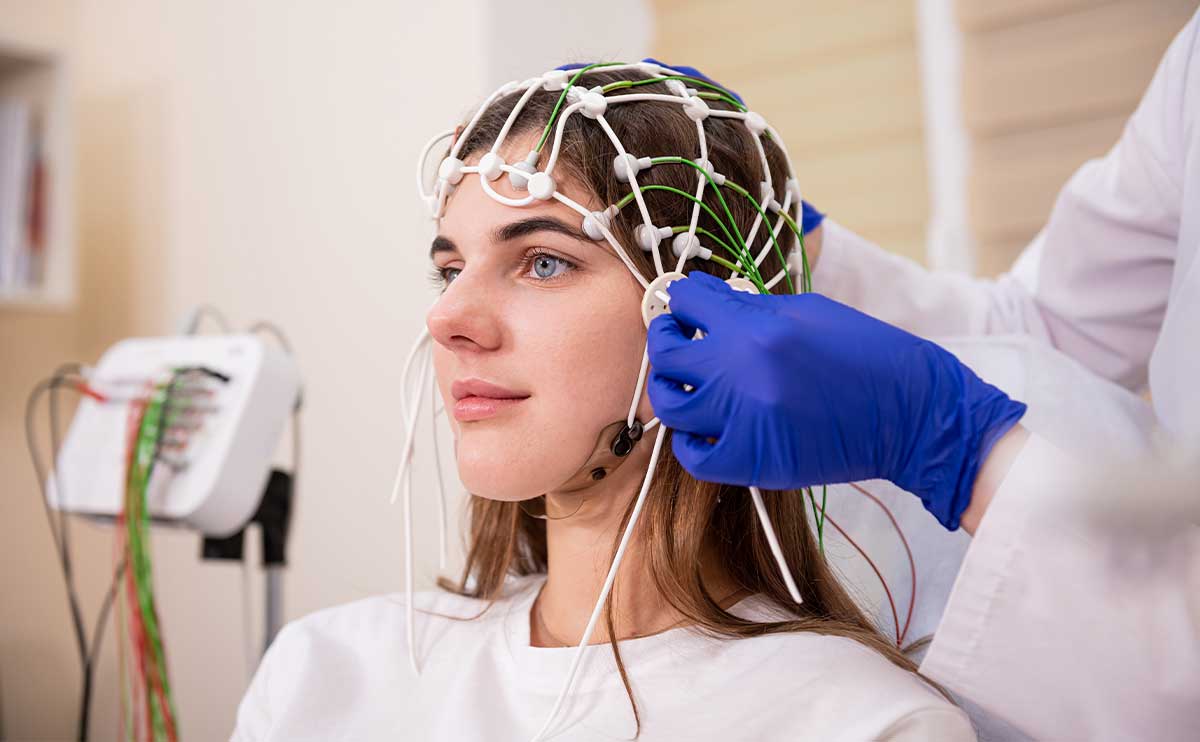
An EEG may be recommended when someone experiences seizures, unexplained loss of consciousness, staring episodes, unusual movements, or other symptoms that could involve abnormal brain activity. The test can provide valuable information about how the brain is functioning, but many patients are unsure what an EEG actually measures or what...

Sudden Vision Changes: When Could the Nervous System Be Involved?

September 26, 2026/

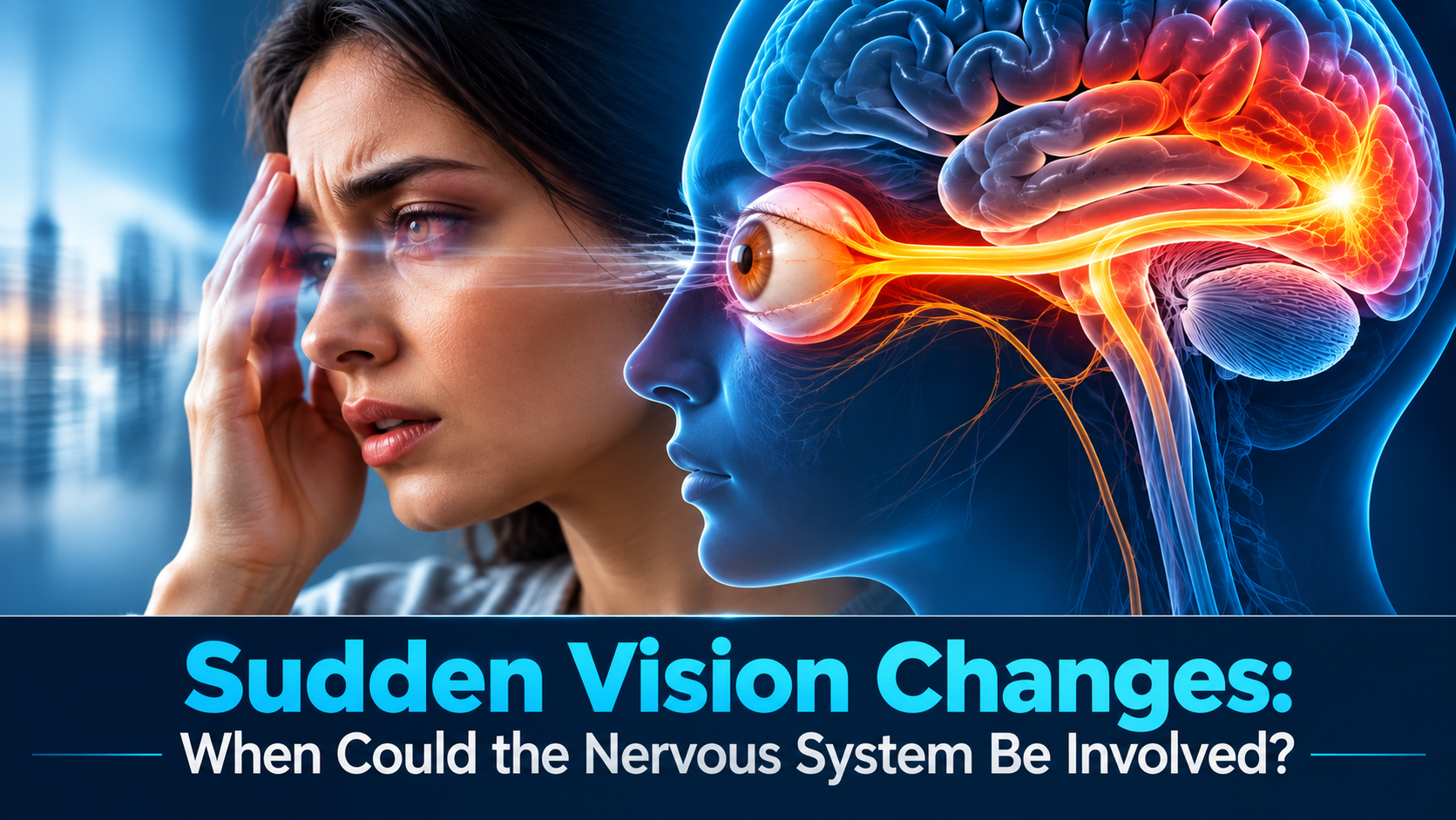
Sudden changes in vision can be alarming. Blurred vision, double vision, flashing lights, loss of part of the visual field, or temporary vision loss may come from the eyes themselves—but sometimes the brain, optic nerves, or other parts of the nervous system are involved. Because some neurological causes of vision...

Neck Pain Traveling Down Your Arm? It Could Be a Pinched Nerve

September 26, 2026/

Pain that begins in your neck and travels into your shoulder, arm, hand, or fingers may be more than simple muscle soreness. In some cases, these symptoms develop when a nerve in the cervical spine becomes irritated or compressed. This condition is commonly known as a pinched nerve in the...

Load More

End of Content.

A modern neurology clinic offering expert care, advanced diagnostics, and personalized treatment for all neurological needs.

Work Hours

Dedicated to providing expert care in all aspects of neurology.