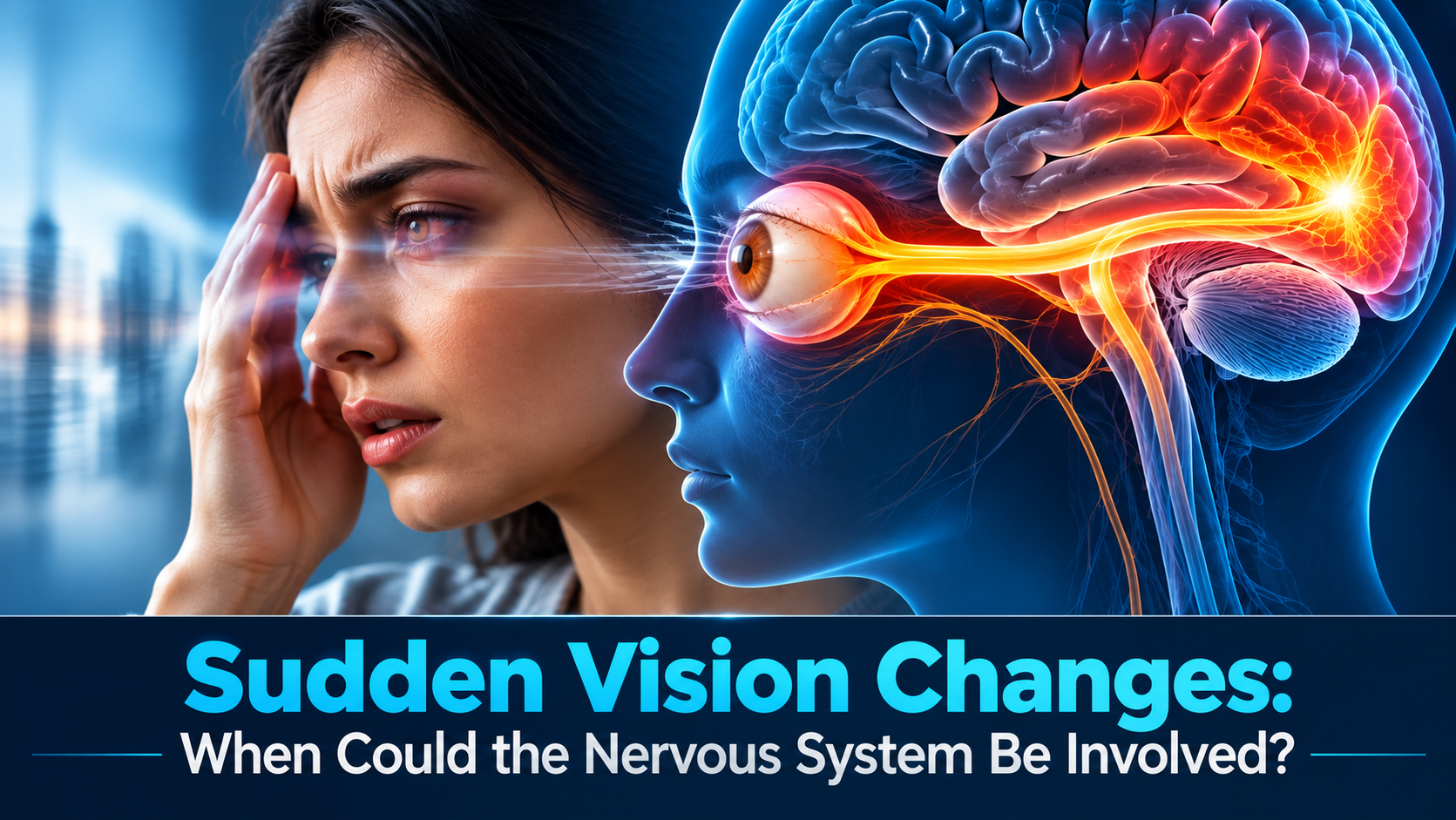
An EEG may be recommended when someone experiences seizures, unexplained loss of consciousness, staring episodes, unusual movements, or other symptoms that could involve abnormal brain activity.
The test can provide valuable information about how the brain is functioning, but many patients are unsure what an EEG actually measures or what the results can reveal.
What Is an EEG?
An EEG, or electroencephalogram, is a noninvasive test that records the brain’s electrical activity.
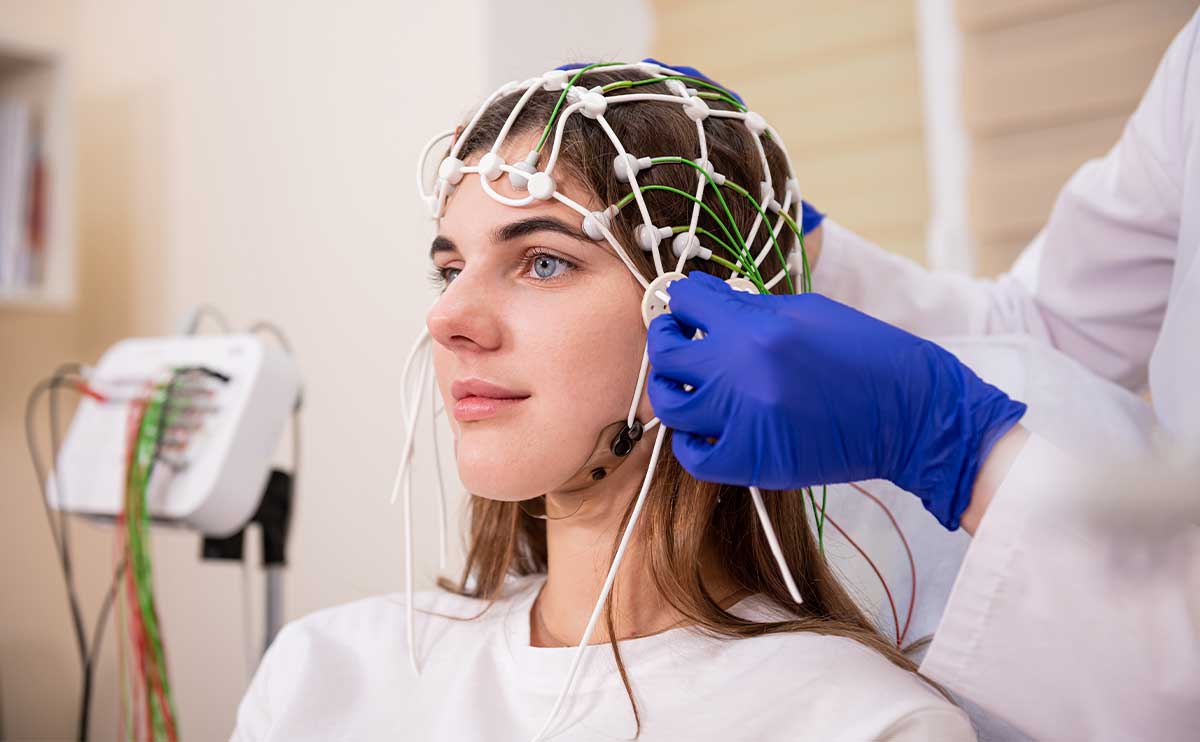
Small sensors called electrodes are placed on the scalp. These electrodes detect electrical signals produced by brain cells and display them as wave patterns that a neurologist can evaluate.
An EEG:
- Does not send electricity into the brain
- Does not cause pain
- Does not read thoughts
- Usually does not require needles
- Records brain activity during the testing period
What Can an EEG Tell Us?
An EEG can help neurologists identify unusual patterns of electrical activity in the brain.
It is commonly used when evaluating:
- Seizures
- Epilepsy
- Staring or unresponsive episodes
- Unexplained loss of consciousness
- Abnormal movements
- Episodes of confusion
- Certain sleep-related events
However, an EEG is only one part of a neurological evaluation. The results are interpreted together with symptoms, medical history, examination findings, and sometimes imaging or additional testing.
How Does an EEG Work?
Brain cells communicate through electrical signals. An EEG records patterns created by this activity.
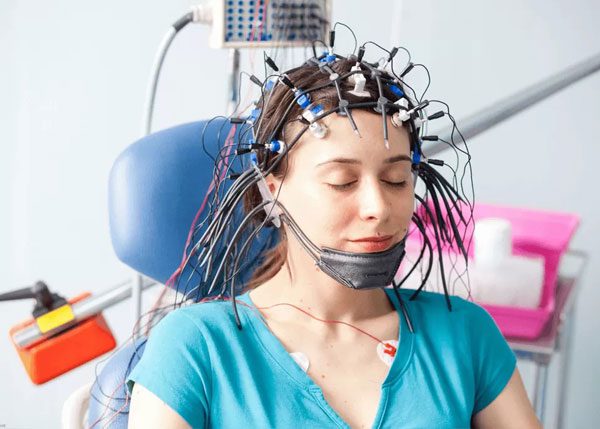
During the test, electrodes are attached to specific areas of the scalp using a special adhesive or cap.
The electrodes send information to a computer that records the brain waves.
A neurologist may look at:
- The speed of brain-wave activity
- The shape of the waves
- Differences between different areas of the brain
- Abnormal electrical discharges
- Changes during sleep or stimulation
These patterns may provide clues about how the brain is functioning.
Why Would a Neurologist Order an EEG?
One of the most common reasons for an EEG is to investigate a possible seizure.
A neurologist may recommend the test when someone experiences:
- Unexplained shaking or jerking
- Loss of consciousness
- Staring spells
- Brief periods of unresponsiveness
- Sudden confusion
- Memory gaps
- Repetitive unusual movements
- Episodes that may represent seizures
An EEG may also be used to monitor people who have already been diagnosed with epilepsy.
Can an EEG Diagnose Epilepsy?
An EEG can provide important evidence that supports a diagnosis of epilepsy, but the test does not diagnose epilepsy by itself.
Certain electrical patterns may indicate an increased tendency toward seizures.
However, it is important to understand two things:
- A person with epilepsy can sometimes have a normal EEG
- An abnormal EEG does not automatically mean someone has epilepsy
The neurologist must interpret the EEG in the context of the patient’s symptoms and medical history.
Can an EEG Detect a Seizure?
Yes, particularly if a seizure occurs while the EEG is recording.
During a seizure, the EEG may capture characteristic changes in electrical activity.
The challenge is that many EEG tests last only a limited amount of time, and seizures may not occur during the recording.
For this reason, additional or longer testing may sometimes be recommended.
What Are the Different Types of EEG?
Routine EEG
A routine EEG commonly records brain activity for approximately 20 to 40 minutes, although the entire appointment may take longer.
It is often the first type of EEG performed.
Sleep-Deprived EEG
Patients may be asked to sleep less than usual before the test.
Sleep deprivation can sometimes make certain abnormal electrical patterns easier to detect.
Ambulatory EEG
An ambulatory EEG records brain activity for a longer period while the patient continues many normal daily activities.
Recording may continue for:
- 24 hours
- 48 hours
- Several days
This can increase the likelihood of capturing an intermittent event.
Video EEG Monitoring
Video EEG combines continuous EEG recording with video.
The neurologist can compare what the patient is physically doing during an episode with what is happening electrically in the brain at the same time.
This can be particularly useful when doctors are trying to determine whether an unexplained event is a seizure.
What Happens During an EEG?
The procedure is generally straightforward.
A technician will usually:
- Measure and mark specific areas of the scalp.
- Attach small electrodes using an adhesive or special cap.
- Ask you to relax while brain activity is recorded.
- Perform certain activities depending on the test.
You may be asked to:
- Open and close your eyes
- Breathe deeply for several minutes
- Look at flashing lights
- Relax or try to sleep
These activities can sometimes reveal electrical patterns that may not appear while simply resting.
Does an EEG Hurt?
No.
An EEG is generally painless because the electrodes only record electrical signals.
They do not deliver electrical shocks into the brain.
Some patients may experience mild discomfort from the adhesive used to attach the electrodes, but the test itself should not be painful.
How Should You Prepare for an EEG?
our healthcare team will provide specific instructions, but common recommendations may include:
- Wash your hair beforehand.
- Avoid hair oils, gels, sprays, or styling products.
- Take medications normally unless your doctor gives different instructions.
- Follow any sleep-deprivation instructions carefully.
- Ask whether caffeine should be avoided before the test.
Do not stop seizure medications or other prescribed medications unless your healthcare provider specifically tells you to do so.
What Does an Abnormal EEG Mean?
An abnormal EEG means that the recorded electrical activity differs from what is typically expected.
Possible findings can include:
- Epileptiform discharges associated with seizure tendency
- Slowing of brain activity
- Differences between regions of the brain
- Electrical abnormalities that may require further evaluation
An abnormal result does not necessarily identify the exact cause of the problem.
Your neurologist may recommend additional testing depending on the findings.
When Should You See a Neurologist?
Consider speaking with a healthcare professional if you experience:
- A possible first seizure
- Repeated unexplained episodes of unconsciousness
- Frequent staring spells
- Sudden periods of confusion
- Unexplained repetitive movements
- Memory gaps surrounding episodes
- Unusual events during sleep
- Recurrent episodes that remain unexplained
A neurologist can determine whether an EEG or another type of neurological testing is appropriate.
Frequently Asked Questions About EEGs
A routine recording may last around 20 to 40 minutes, although preparation and electrode placement can make the full appointment longer.
An EEG may reveal abnormal brain activity, but it does not provide detailed structural images of brain damage. MRI or CT imaging may be needed when structural abnormalities are suspected.
An EEG may sometimes show abnormal electrical activity associated with an affected area, but it cannot reliably diagnose a brain tumor. Brain imaging is used for that purpose.
EEGs are generally considered safe and noninvasive. The electrodes record activity rather than sending electricity into the brain.