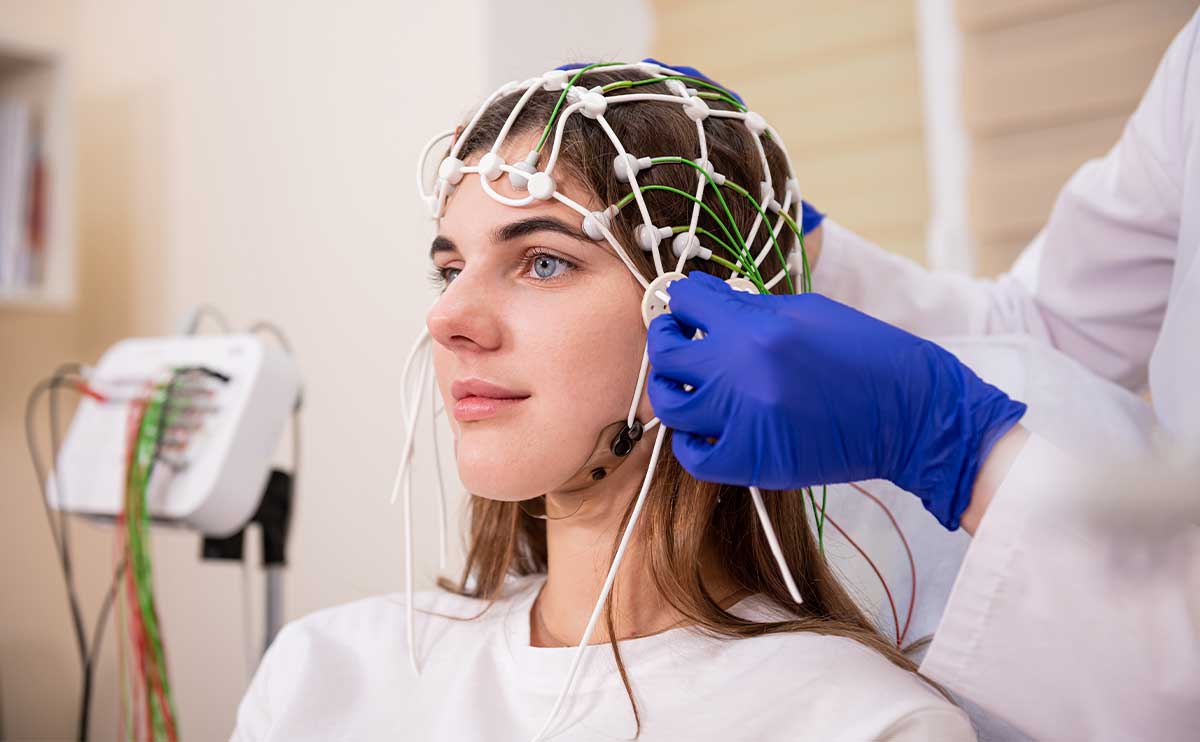

Multiple sclerosis, commonly called MS, is a neurological condition that affects the brain and spinal cord. It develops when the immune system damages the protective covering around nerve fibres, disrupting communication between the brain and the rest of the body.
Symptoms vary from person to person and may appear gradually, come and go, or worsen over time. Early medical evaluation can help identify the condition and begin appropriate treatment.
Early Warning Signs of MS
Vision Problems
Vision changes are sometimes an early symptom of MS. These may include:
- Blurred or reduced vision
- Pain when moving one eye
- Double vision
- Changes in colour vision
These symptoms may result from inflammation affecting the optic nerve and should be evaluated promptly, particularly when they develop suddenly or affect one eye.
Fatigue
MS-related fatigue is more severe than ordinary tiredness. It may occur even after adequate rest and can make work, exercise and everyday responsibilities difficult.
Planning regular rest periods, maintaining a consistent sleep routine and balancing activity throughout the day may help reduce its impact.
Muscle Weakness and Movement Problems
MS can interfere with the nerve signals that control muscles. A person may experience:
- Weakness in the arms or legs
- Muscle stiffness or spasms
- Numbness or tingling
- Poor balance and coordination
- Difficulty walking
- Dizziness or tremors
The location and severity of these symptoms depend on which areas of the nervous system are affected.
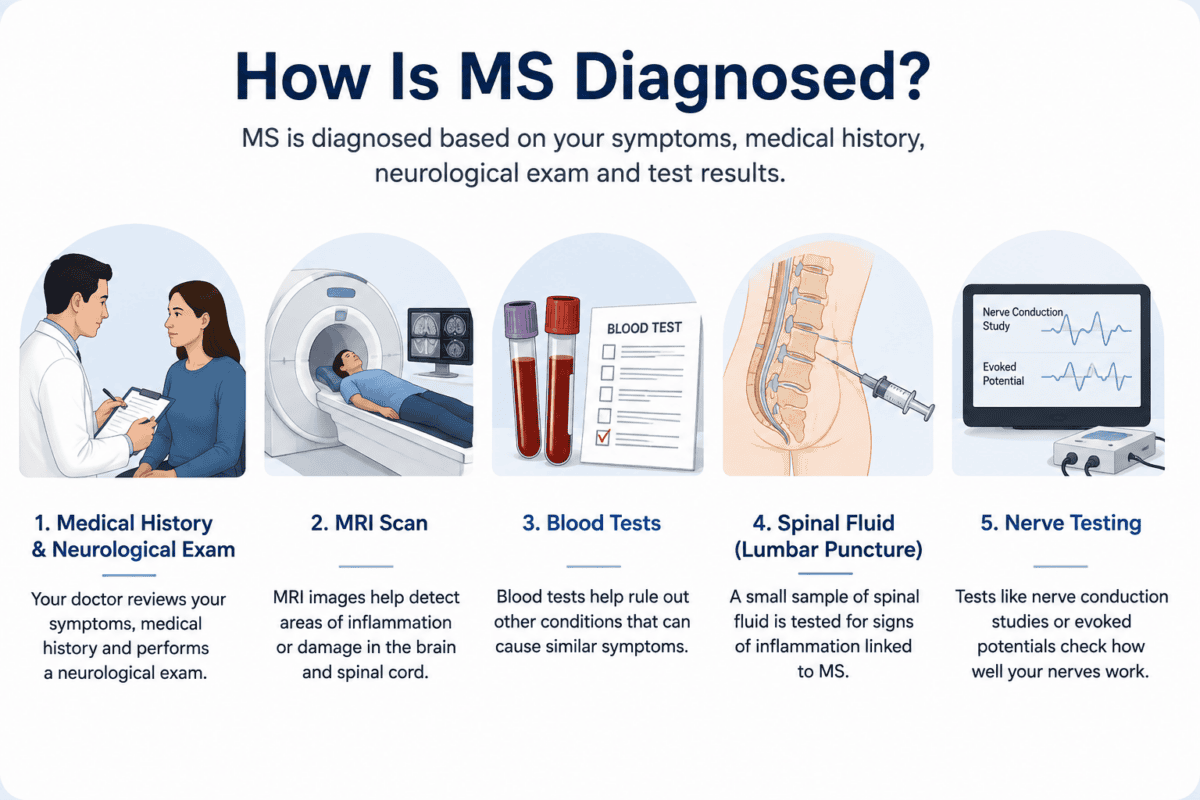
How Is MS Diagnosed?
There is no single test that can confirm MS in every patient. A neurologist usually reviews the person’s symptoms and medical history and performs examinations to assess vision, movement, reflexes, balance and coordination.
Diagnostic testing may include:
- MRI scans of the brain or spinal cord
- Blood tests to exclude other conditions
- Lumbar puncture to examine spinal fluid
- Tests that measure how quickly nerve signals travel
The results are considered together before a diagnosis is made.
Treatment Options
There is currently no cure for MS, but treatment can help manage symptoms, reduce relapses and slow disease activity in some people.
Treatment may include disease-modifying medicines, medications for specific symptoms, physiotherapy, occupational therapy and support for emotional or cognitive changes. Steroid medication may sometimes be prescribed to shorten severe relapses.
The treatment plan should be personalised by a neurologist or MS specialist based on the type of MS, symptoms and overall health.
Living with MS
Many people with MS continue to work, exercise and maintain active lives. Everyday disease management may involve:
- Following the prescribed treatment plan
- Attending regular neurological appointments
- Exercising safely to support strength and mobility
- Eating a balanced diet
- Managing stress and maintaining healthy sleep
- Using mobility or assistive devices when required
- Planning activities around periods of fatigue
- Seeking emotional support from family or professionals
Symptoms such as fatigue, vision changes or weakness should not be ignored when they persist, recur or interfere with daily life.
When Should You Consult a Neurologist?
Speak with a doctor if you experience unexplained vision loss, persistent numbness, muscle weakness, balance problems or several neurological symptoms occurring together.
Seek urgent medical care for sudden vision loss, severe weakness, difficulty speaking, facial drooping or symptoms that develop rapidly, as these may indicate another neurological emergency.
This article is for general educational purposes and should not replace professional medical advice, diagnosis or treatment.