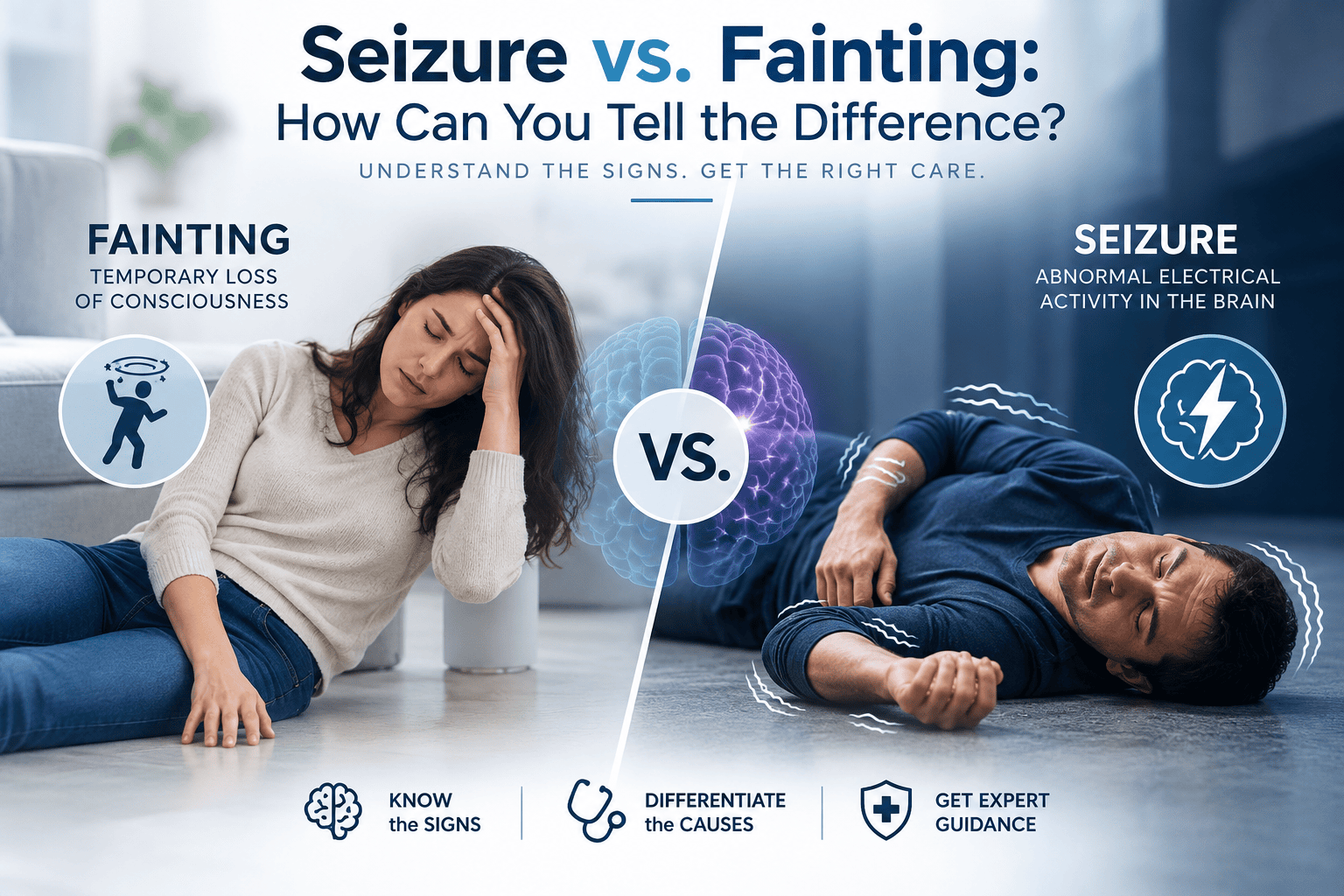
A sudden loss of consciousness can be frightening, especially when the person falls, becomes unresponsive, or has brief shaking movements. Two common possibilities are fainting (syncope) and a seizure. Although they can sometimes look similar, they happen for very different reasons and may require different types of evaluation and treatment.
Knowing what happened before, during, and after the episode can give healthcare professionals important clues.
What Is Fainting?
Fainting, medically known as syncope, is a temporary loss of consciousness caused by a brief reduction in blood flow to the brain. Most people regain consciousness fairly quickly once normal blood flow returns.
Common triggers can include:
- Standing for a long period
- Dehydration
- Heat exposure
- Emotional stress or fear
- Seeing blood or experiencing pain
- Standing up suddenly
- Low blood pressure
- Certain medications
- Heart rhythm abnormalities
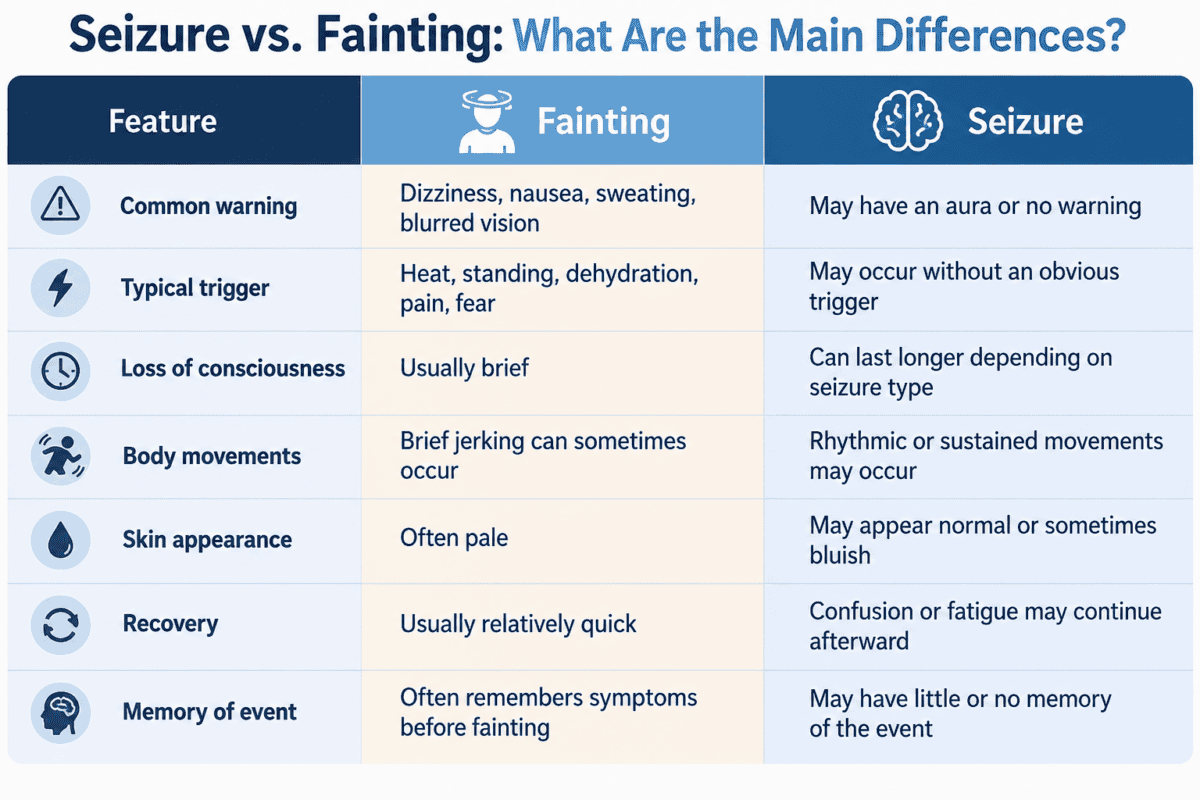
Before fainting, a person may notice symptoms such as:
- Lightheadedness
- Dizziness
- Blurred or darkening vision
- Nausea
- Sweating
- Feeling unusually warm
- Weakness
The person may become pale and gradually lose consciousness.
What Is a Seizure?
A seizure occurs when there is a sudden period of abnormal electrical activity in the brain.
Seizures do not always involve dramatic shaking. Depending on the area of the brain involved, a person may experience:
- Loss of awareness
- Staring episodes
- Unusual movements
- Muscle stiffening
- Repetitive jerking
- Confusion
- Unusual sensations
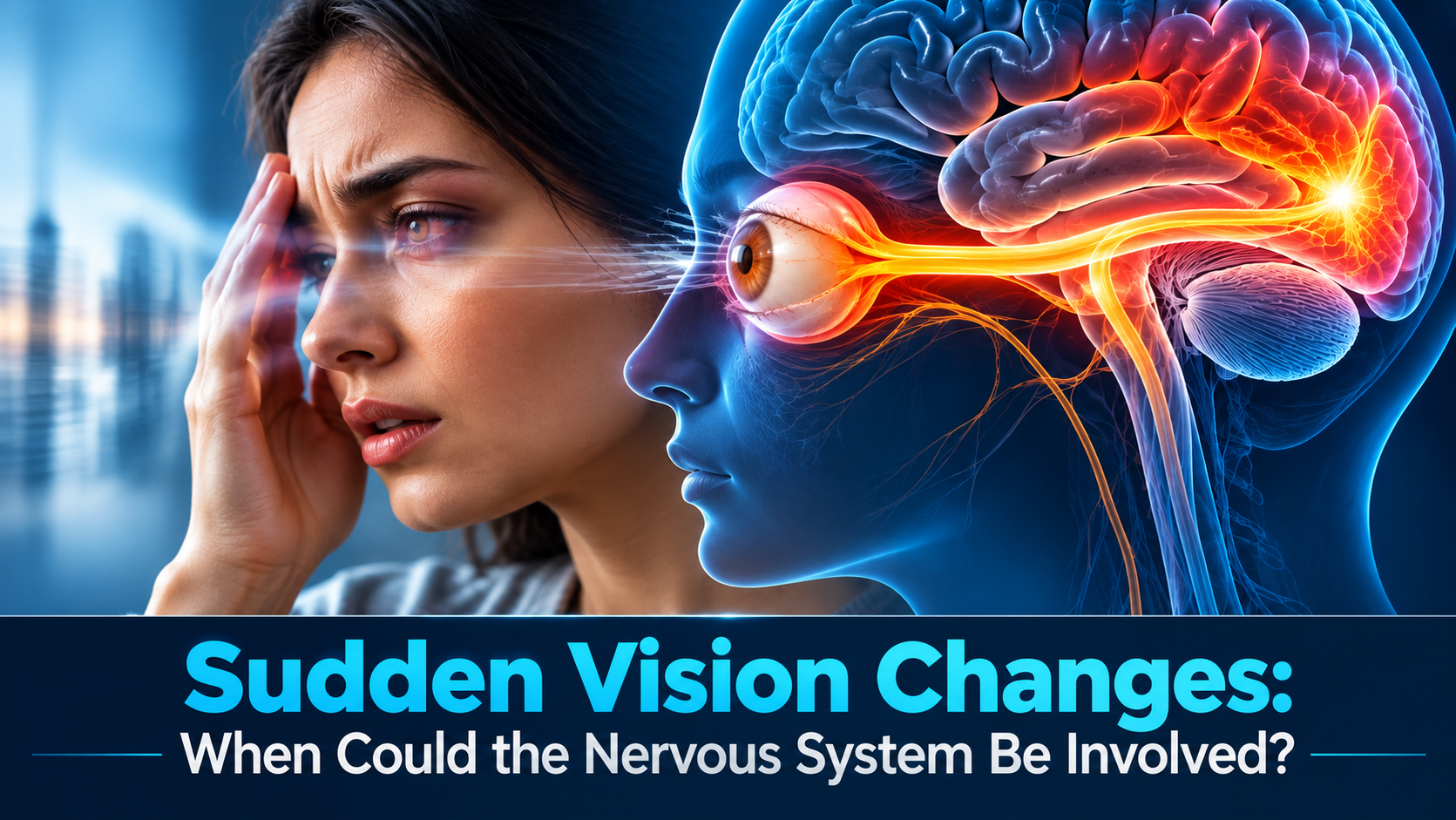
- Changes in vision, smell, or hearing
A seizure does not automatically mean someone has epilepsy. Epilepsy is generally diagnosed when a person has a tendency to experience recurrent unprovoked seizures.
Can Someone Shake While Fainting?
Yes. This is one reason fainting and seizures can sometimes be difficult to distinguish.
During some fainting episodes, a person may experience a few brief jerking or twitching movements. This is sometimes called convulsive syncope.
Therefore, seeing someone shake does not automatically mean that they experienced a seizure.
Details such as how the episode started, how long the movements lasted, and how quickly the person recovered can help doctors determine what may have happened.
What Happens After the Episode?
The recovery period can provide important clues.
After ordinary fainting, people often become alert relatively quickly, although they may continue to feel weak, nauseated, or tired.
After certain seizures, a person may experience a postictal period, which can include:
- Confusion
- Sleepiness
- Headache
- Muscle soreness
- Difficulty remembering what happened
- Temporary difficulty speaking or concentrating
This period may last several minutes or longer.
Why Witness Information Is Important
Someone who loses consciousness may not remember the episode clearly.
If another person witnessed what happened, their description can be extremely helpful. Healthcare providers may ask:
- What was the person doing beforehand?
- Did they complain of dizziness or unusual sensations?
- Did they become pale?
- Did their body become stiff?
- Were there repetitive movements?
- How long were they unconscious?
- Were they confused afterward?
- Did they recover quickly?
If safe and appropriate, documenting the approximate duration of the episode can also help during medical evaluation.
How Doctors Evaluate Seizures and Fainting
The evaluation depends on the circumstances and symptoms.
A healthcare professional may review:
- Medical history
- Medications
- Previous episodes
- Neurological symptoms
- Heart-related symptoms
- Family medical history
- Details provided by witnesses
Testing may include:
Neurological examination
Checks strength, sensation, reflexes, coordination, memory, and other neurological functions.
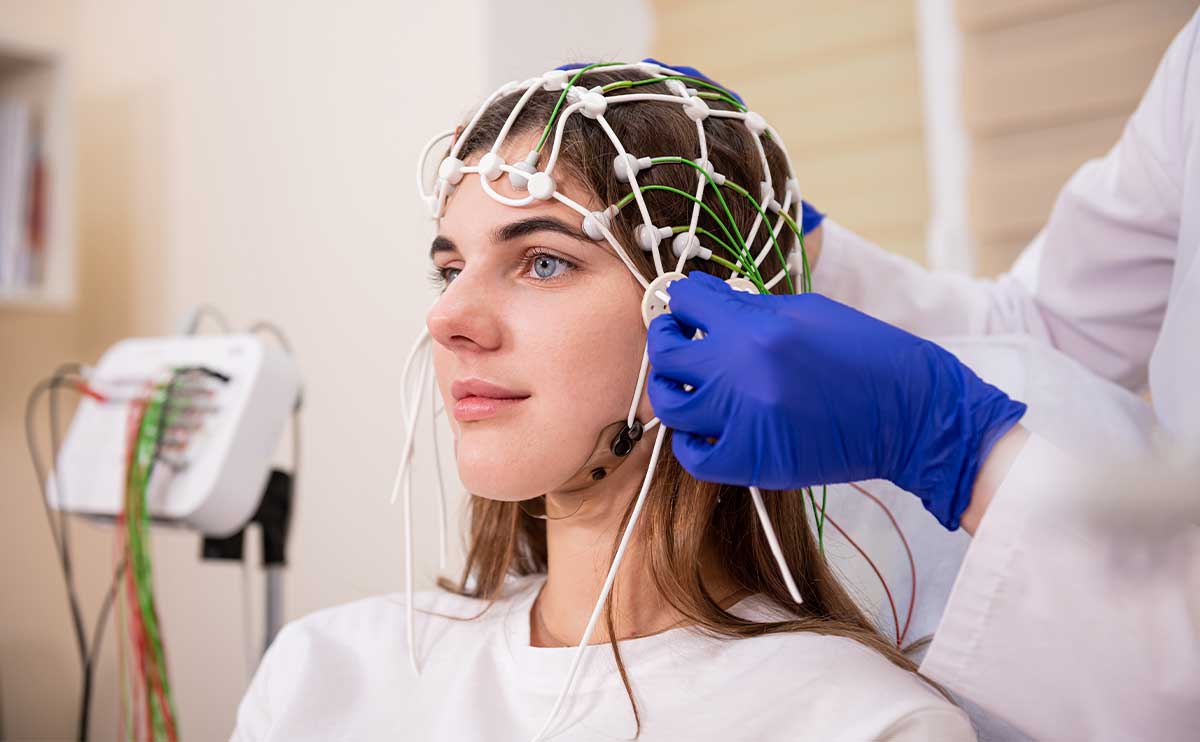
EEG (electroencephalogram)
Measures electrical activity in the brain and may help identify abnormalities associated with seizures.
Brain imaging
MRI or CT imaging may be recommended in certain situations.
Blood tests
Can identify problems such as abnormal blood sugar or electrolyte levels.
Heart evaluation
An ECG or heart monitoring may be needed because abnormal heart rhythms can sometimes cause sudden fainting.
Not every patient requires every test. The evaluation should be based on the circumstances surrounding the episode.
What Should You Do If Someone Has a Seizure?
f someone is having a convulsive seizure:
- Move dangerous objects away from them.
- Cushion their head if possible.
- Turn them onto their side when it is safe to do so.
- Time the seizure.
- Do not restrain their movements.
- Do not place anything in their mouth.
- Stay with them until they recover.
Call 911 if the seizure lasts about 5 minutes or longer, another seizure begins before the person recovers, the person has difficulty breathing, is seriously injured, is pregnant, or the event occurs in water.
What Should You Do If Someone Faints?
If someone appears to have fainted, have them lie flat when possible and make sure they are breathing normally.
Seek emergency medical attention if fainting occurs with:
- Chest pain
- Difficulty breathing
- Heart palpitations
- Severe headache
- Significant injury
- Weakness or numbness on one side
- Difficulty speaking
- Fainting during exercise
- Repeated unexplained episodes
- Prolonged confusion afterward
Some fainting episodes can be related to heart or neurological conditions and should not be ignored.
When Should You See a Neurologist?
A neurological evaluation may be appropriate when someone experiences:
- A possible first seizure
- Repeated unexplained episodes of unconsciousness
- Staring or unresponsive episodes
- Unusual involuntary movements
- Confusion after losing consciousness
- Memory gaps surrounding an episode
- New neurological symptoms
- Episodes that remain unexplained after an initial evaluation
A neurologist can help determine whether the event may have originated in the brain and whether additional testing such as an EEG or brain imaging is appropriate.