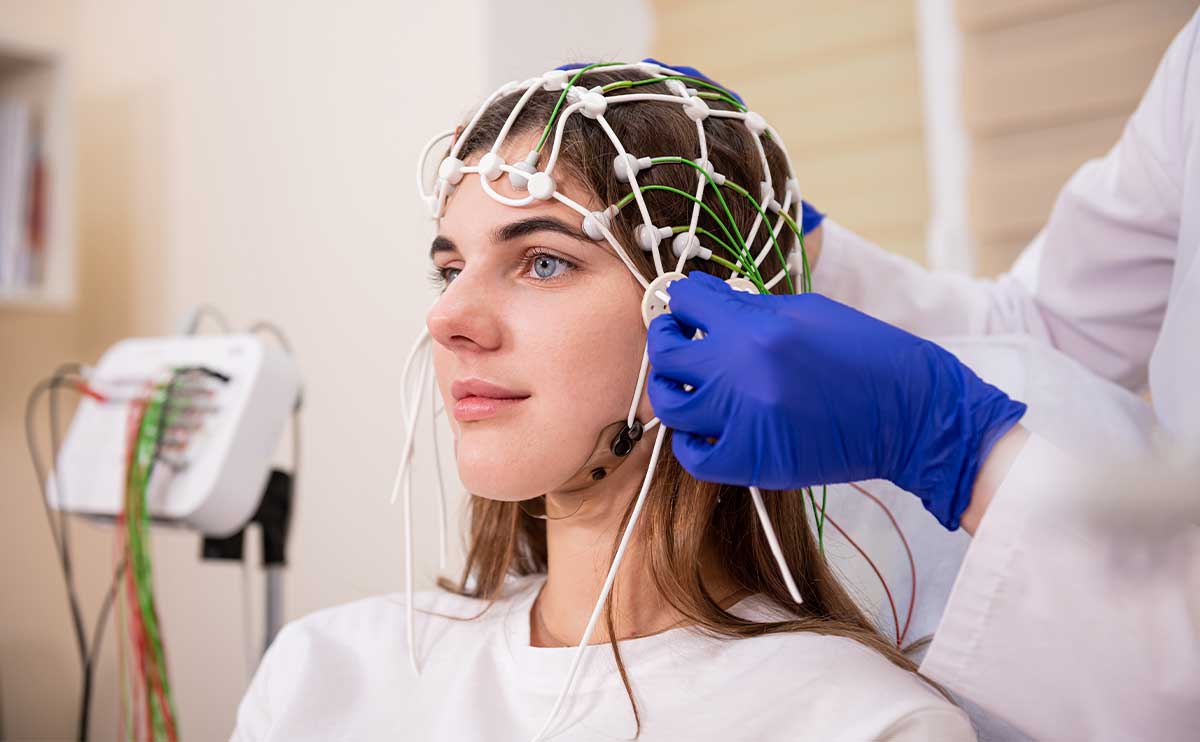

An occasional shaky hand can happen after too much caffeine, lack of sleep, stress, or strenuous activity. But shaking that keeps returning, gradually worsens, or begins interfering with everyday tasks may deserve a closer look.
A tremor is an involuntary, rhythmic movement that can affect the hands, arms, head, voice, legs, or other parts of the body. Tremors have many possible causes, and not every tremor is related to Parkinson’s disease.
Understanding when the shaking occurs and what other symptoms accompany it can help a neurologist determine what may be causing it.
What Does a Tremor Feel Like?
Tremors can appear differently from one person to another.
You may notice:
- Shaking while holding a cup or utensil
- Difficulty writing or using a phone
- Hands trembling while reaching for an object
- Shaking that becomes worse during stress
- Head or voice shaking
- Trembling while the hands are resting
- Difficulty performing precise movements
Some tremors remain mild for years, while others gradually become more noticeable.

What Can Cause Tremors?
There is no single cause of shaking.
Essential Tremor
Essential tremor is a common movement disorder that often affects the hands and arms during activities such as writing, drinking, eating, or reaching for something.
It can also affect the head or voice and may run in families.
Parkinsonian Tremor
Parkinson’s disease can cause a tremor that commonly appears while the affected hand or limb is at rest.
However, Parkinson’s disease usually involves other movement changes as well, including:
- Slower movement
- Muscle stiffness
- Reduced arm swing
- Changes in walking
- Balance difficulties
A tremor alone does not automatically mean Parkinson’s disease.
Can Stress or Caffeine Cause Shaking?
Yes.
Temporary trembling may become more noticeable with:
- Anxiety or emotional stress
- Excessive caffeine
- Lack of sleep
- Physical exhaustion
- Low blood sugar
- Certain medications
These factors can make a normal physiological tremor more visible.
But if shaking continues even after these triggers are reduced, an evaluation may help determine whether another condition is involved.
Other Medical Causes of Tremor
Tremors can sometimes be associated with:
- Thyroid disorders
- Medication side effects
- Certain neurological conditions
- Alcohol withdrawal
- Metabolic abnormalities
- Previous brain injury
- Disorders affecting movement and coordination
Because these conditions require different approaches, identifying the cause is more important than treating the shaking alone.
When Should You See a Neurologist for Tremors?
Consider a neurological evaluation if the tremor:
- Persists or keeps returning
- Is gradually getting worse
- Occurs when your hands are completely at rest
- Interferes with eating, writing, dressing, or work
- Affects your head or voice
- Appears with stiffness or slowed movement
- Is accompanied by weakness or coordination problems
- Begins affecting walking or balance
- Develops without an obvious explanation
You should also mention whether anyone in your family has experienced similar shaking.
What Happens During a Tremor Evaluation?
A neurologist may first ask:
- When did the tremor begin?
- Does it occur at rest or during movement?
- Does stress make it worse?
- Does caffeine affect it?
- Which parts of the body are involved?
- Are stiffness, weakness, or balance problems present?
- What medications and supplements are you taking?
During the neurological examination, the doctor may evaluate:
- Muscle tone
- Reflexes
- Coordination
- Hand movements
- Walking and balance
- Strength
- Speed of movement
You may also be asked to write, draw a spiral, hold your arms in certain positions, or perform specific hand movements.
Will You Need Testing?
Not every person with a tremor requires brain imaging.
Depending on your symptoms and examination, additional testing may include:
- Blood tests
- Thyroid testing
- Medication review
- MRI or other brain imaging
- Specialized movement-disorder testing when necessary
The goal is to distinguish between different types of tremor and identify any underlying condition that may require treatment.
How Are Tremors Treated?
Treatment depends on the type of tremor and how much it affects daily life.
Some mild tremors may not require treatment beyond monitoring and reducing known triggers.
When treatment is necessary, options may include:
- Medication
- Adjustment of medications that may be contributing to symptoms
- Occupational therapy
- Physical therapy
- Assistive strategies for writing, eating, or other activities
- Treatment of an underlying medical condition
For severe tremors that significantly affect daily functioning and do not respond to medication, selected patients may be evaluated for advanced treatments such as deep brain stimulation or focused ultrasound.
What Can You Do at Home?
Simple steps may help reduce tremor severity in some people:
- Limit excessive caffeine
- Maintain a regular sleep schedule
- Avoid skipping meals
- Manage stress
- Review medications with your healthcare provider
- Use heavier or specially designed utensils if hand tremor affects eating
Do not stop prescribed medication because you suspect it is causing tremors without first speaking with your healthcare provider.
When Is Sudden Shaking an Emergency?
A tremor that develops gradually is different from sudden neurological symptoms.
Seek emergency medical attention if shaking begins suddenly along with:
- Weakness or numbness on one side
- Facial drooping
- Difficulty speaking
- Severe loss of coordination
- Sudden vision changes
- Confusion
- Loss of consciousness
- A sudden severe headache
These symptoms may indicate a neurological emergency and should not wait for a routine appointment.
When Shaking Starts Affecting Everyday Life
Tremors can have many causes, from temporary triggers to neurological movement disorders. The pattern of the shaking—when it happens, where it occurs, and which other symptoms appear with it—is often an important part of finding the cause.
If shaking has become persistent, is getting worse, or is making everyday activities more difficult, consider speaking with a neurologist. A focused neurological evaluation can help determine the type of tremor and whether treatment or additional testing is appropriate.
This article is intended for general educational purposes and does not replace professional medical advice, diagnosis, or treatment.