
Peripheral neuropathy occurs when the nerves outside the brain and spinal cord become damaged. These nerves carry signals between the brain and the rest of the body, helping control sensation, movement and certain automatic functions.
Symptoms often begin in the feet or hands and may gradually spread to other areas.
Common Symptoms
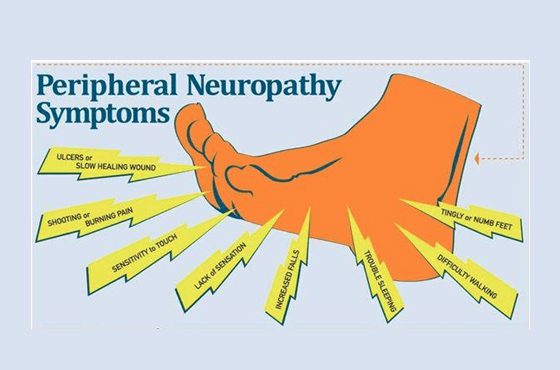
Peripheral neuropathy symptoms vary depending on the nerves affected. Common warning signs include:
- Numbness or reduced sensation in the hands and feet
- Tingling or “pins and needles” sensations
- Burning, stabbing or electric-shock-like pain
- Increased sensitivity to touch
- Muscle weakness or difficulty walking
- Poor balance and coordination
- Reduced ability to feel heat, cold or injuries
Loss of sensation in the feet can allow cuts, burns or infections to go unnoticed, making regular foot checks especially important.
What Causes Peripheral Neuropathy?
Diabetes is one of the most common causes of peripheral neuropathy. Over time, high blood sugar can damage nerves, particularly those in the feet and legs. Symptoms may include numbness, tingling, burning pain, weakness and reduced ability to feel temperature changes.
Other possible causes include:
- Vitamin deficiencies
- Autoimmune conditions
- Certain infections
- Kidney or liver disorders
- Physical injuries or pressure on a nerve
- Some medications and cancer treatments
- Excessive alcohol use
- Exposure to harmful chemicals
- Inherited neurological conditions
In some cases, the exact cause cannot be identified.
How Is It Diagnosed?
A neurologist may review the patient’s symptoms, medical history and medications before examining muscle strength, reflexes, balance and sensation.
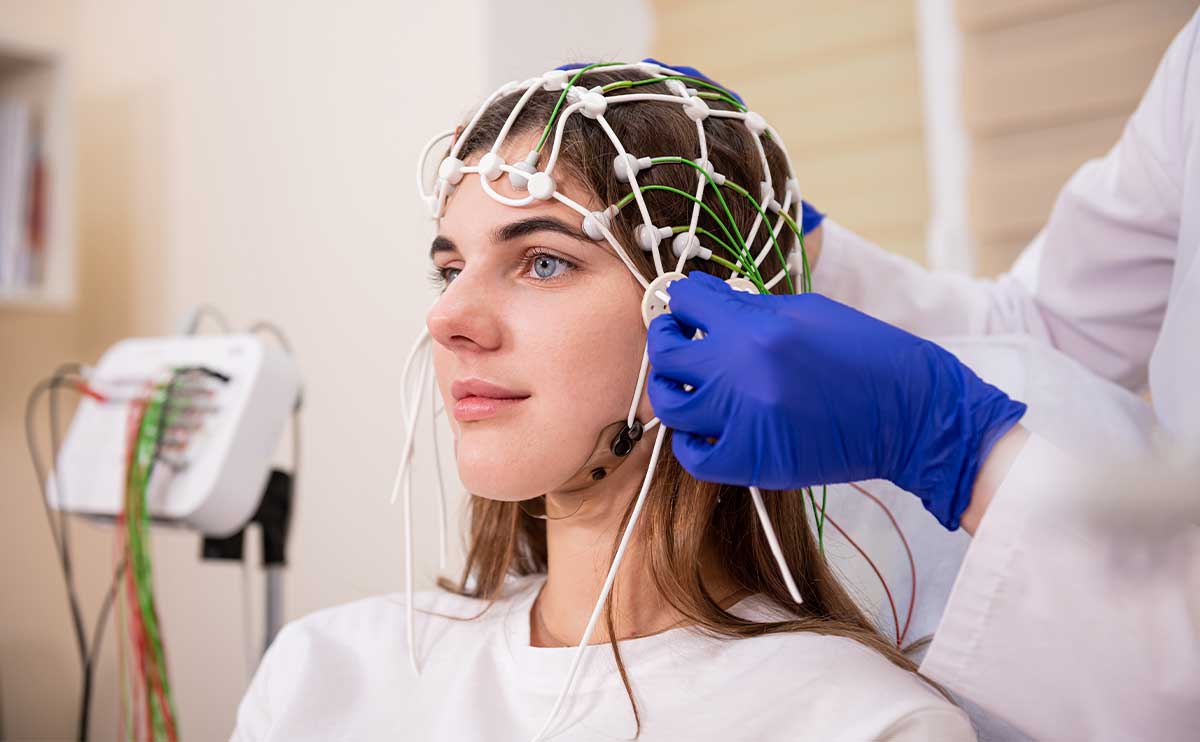
Blood tests may help identify diabetes, vitamin deficiencies or other underlying conditions. Nerve-conduction studies, electromyography or imaging may also be recommended when necessary.
Treatment Options
Treatment depends on the cause and severity of the nerve damage. When an underlying condition can be treated, symptoms may improve and further nerve damage may be prevented.
Treatment may include:
- Better blood-sugar control for people with diabetes
- Prescription medication for nerve pain
- Treatment of vitamin deficiencies or infections
- Physical therapy to improve strength and balance
- Braces, walking aids or other supportive devices
- Regular foot care to prevent wounds and infections
- Healthy exercise, nutrition and reduced alcohol use
Patients should not begin supplements or change medication without consulting a healthcare professional.
When Should You See a Neurologist?
Consult a doctor if numbness, tingling, burning pain or weakness persists, becomes worse or interferes with walking and daily activities. Early evaluation can help identify the cause and reduce the risk of further nerve damage.
Seek urgent medical attention for rapidly developing weakness, difficulty breathing, loss of bladder or bowel control, or sudden symptoms affecting one side of the body.
This article is provided for general educational purposes and is not a substitute for professional medical advice, diagnosis or treatment.