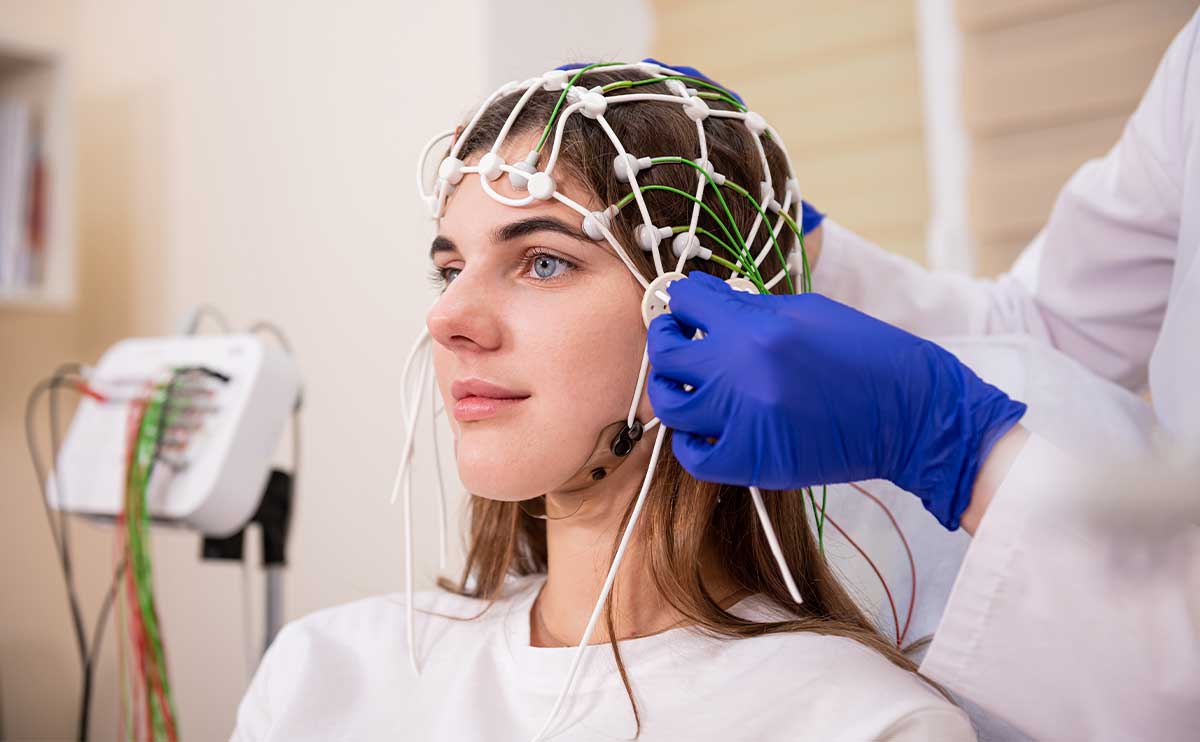

A brain tumor is an abnormal growth of cells in or around the brain. Some brain tumors are non-cancerous, while others are cancerous. Tumors may begin in the brain or spread there from another part of the body. Symptoms and treatment depend on the tumor’s size, type, location and growth rate.
Common Symptoms of a Brain Tumor
Brain tumor symptoms can vary depending on which area of the brain is affected. Possible warning signs include:
- New or persistent headaches that gradually worsen
- Seizures, particularly a first-time seizure
- Blurred or double vision
- Weakness or numbness, especially on one side
- Difficulty walking, balancing or coordinating movements
- Problems with speech, memory or concentration
- Unusual changes in mood, behaviour or personality
- Nausea, vomiting, excessive sleepiness or fainting
These symptoms are common in many other medical conditions and do not necessarily mean that someone has a brain tumor. However, persistent, worsening or unexplained symptoms should be evaluated by a doctor.
How Are Brain Tumors Diagnosed?
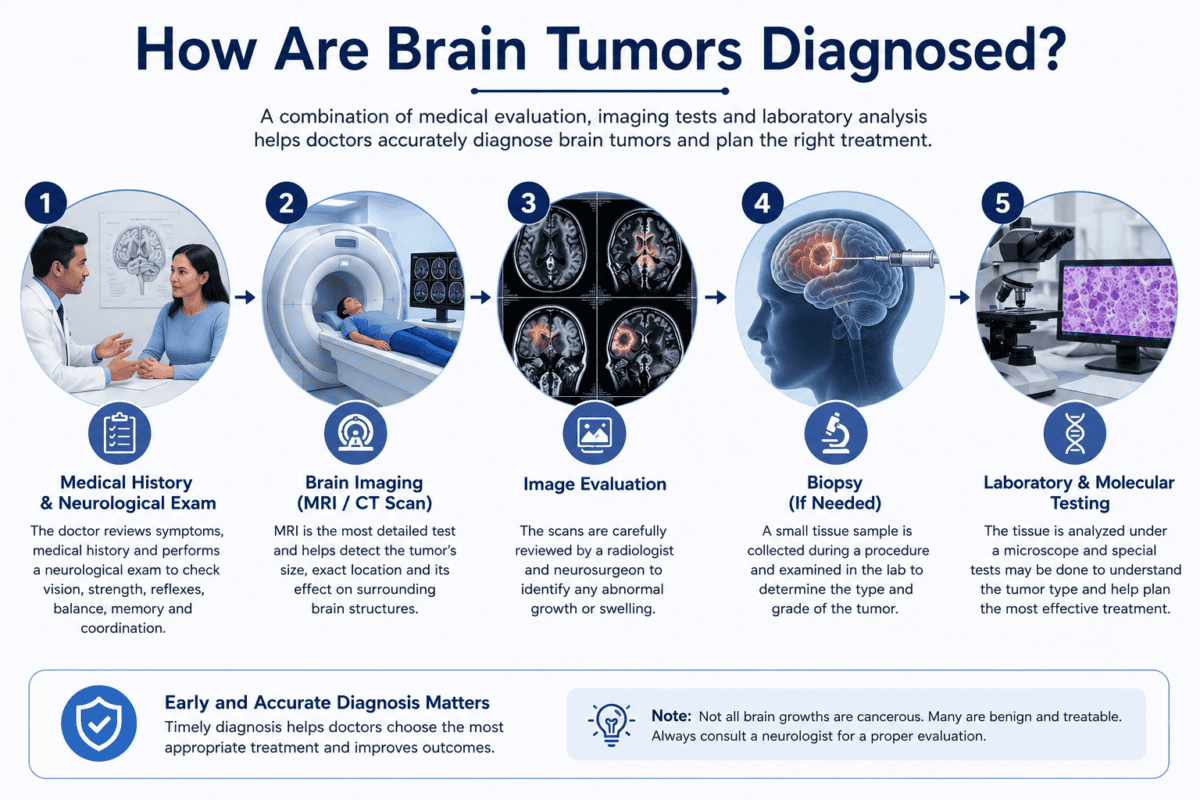
A doctor will usually begin by reviewing the patient’s symptoms, medical history and general health. A neurological examination may assess vision, hearing, reflexes, muscle strength, coordination, memory and balance.
Brain imaging is an important part of diagnosis. An MRI scan provides detailed pictures of the brain, while a CT scan may also help identify abnormal growth, bleeding or swelling.
A biopsy may be required to determine the exact type and grade of the tumor. During a biopsy, a small tissue sample is collected and examined by a specialist. Molecular testing may also be used to classify the tumor more precisely and help guide treatment.
Treatment Options
Treatment is personalised according to the tumor’s type, location, grade, size and the patient’s overall health. Options may include:
Active Surveillance
Slow-growing tumors that are not causing symptoms may be monitored through regular examinations and brain scans without immediate treatment.
Surgery
Surgery is often used to remove as much of the tumor as safely possible. It can also provide tissue for an accurate diagnosis and may reduce pressure on nearby areas of the brain.
Radiation Therapy
Radiation therapy uses focused high-energy beams to destroy tumor cells or slow their growth. It may be recommended after surgery or when surgery is not possible.
Chemotherapy and Targeted Therapy
Chemotherapy uses medicines to destroy or control rapidly growing cells. Targeted treatments act on specific features of certain tumors. The medicines selected depend on the tumor type and its molecular characteristics.
Supportive treatments may also be prescribed to manage seizures, swelling, headaches, weakness or other symptoms.
When Should You Seek Medical Care?
Consult a doctor when headaches repeatedly return, steadily worsen or occur with vomiting, vision changes, weakness, personality changes or balance problems.
Seek immediate medical attention for a first-time seizure, sudden severe headache, loss of consciousness, difficulty breathing or rapidly developing weakness.
Early evaluation helps identify the cause of neurological symptoms and allows appropriate treatment to begin as soon as possible.
This article is intended for general educational purposes and does not replace professional medical advice, diagnosis or treatment.